

Dental Implant Benefits
Introduction
Dental implants are our specialty, and for over 30 years, they have been helping us change lives for the better. While it's true that dental implants come with a significant price tag, the overwhelming consensus among patients is clear: the array of benefits far outweighs the cost. Whether you're considering dental implants for yourself or researching how they can help someone you care about, this article will review the...

Dental Implant Removal
Introduction
Dental implants have revolutionized restorative dentistry by providing a solution for replacing missing teeth that is both durable and aesthetically pleasing. They are designed to mimic the form and function of natural teeth, offering patients a long-term remedy for tooth loss. Despite their high success rate, there are instances when dental implants fail or complications arise, necessitating their removal. Understanding the intricacies of dental implant removal, including the reasons...

How Painful Are Dental Implants?
When considering dental implants, one of the first questions people ask is, “Are dental implants painful?”
Anytime the word, “surgery” is associated with treatment, people often fear the worst. They assume there will be a lot of pain after dental implant surgery and hesitate to get implant treatment because of this fear.
Although everyone has their own individual pain tolerance, it may surprise you that most of our patients tell us...

How Long Do Dental Implants Last?
When it comes to restoring a smile, dental implants have become a popular and highly successful choice for replacing missing teeth. They offer a natural look and feel, but how do they compare to your natural teeth in terms of longevity and durability? Let’s explore the key differences between natural teeth and dental implants, including their average lifespan and how they compare to other dental restoration methods, and how...

HOW MUCH DO CROWNS COST?
Dental crowns have long been a widely used and dependable dental tooth restoration known for their durability, long lifespan, and effectiveness in safeguarding the underlying tooth. When maintained well along with proper oral hygiene, properly prepared teeth and well-crafted crowns can last anywhere from 10 to 40 years or more. By protecting broken, decayed, or damaged teeth, crowns can help avert more involved and expensive issues like root canals,...

9 Things That Can Ruin Dentures
If you’re new to wearing dentures, although they are beautiful, wearing and caring for them takes some effort. There is a learning curve to adjusting to denture wear. After all, you’re getting used to doing what seems like everything oral - all over again. Eating, speaking, smiling, cleaning your teeth. At The Dental Implant Center, we want to make sure you are not only comfortable with your new custom...

The Cost of Dental Implants
Dental Implants - What is the Cost?
The cost of dental implants can vary depending on several factors. Things like the region you live in, the doctor’s training, whether or not you need to have bone grafting, the number of implants needed and the type of material that will be used for your final restoration, all affect the cost of dental implant treatment.
What Are Dental Implants & How Are They...

TONGUE CANCER
Tongue cancer is one type of oral cancer that begins with abnormal growth of cells on the tongue. Oral cancers are relatively common and highly treatable IF FOUND AND TREATED EARLY.
Tongue cancer is relatively rare, representing nearly 1 percent of newly diagnosed cancer cases in the United States, according to the National Cancer Institute (NCI). However, it’s one of the more frequently diagnosed forms of head and neck cancers...
7 Ways Medications Can Harm Your Teeth
According to the Centers for Disease Control and Prevention (CDC), 70% of adults between the ages of 40 and 79 used at least one prescription drug in the past 30 days in the United States, and approximately 20% took at least five prescription drugs.
Here are some common culprits for oral health problems linked to medications, as well as other drugs that can potentially cause the same issues, along with...

THE DANGERS OF D.I.Y. DENTISTRY
Lately, there have been several articles in the news and posts on social media about “do it yourself” dental procedures. These are, at a minimum, problematic trends which can lead to serious consequences.
Among these are:
1. Charcoal Teeth Whitening:
I don’t know where this came from, but we’ve all seen an awful lot of it online lately! It’s become somewhat of a popular trend on social media – and *1 can...

All About Periodontal Disease
What is Periodontal Disease?
Periodontal Disease, also called Periodontitis, is common. But most people don’t know that they have it (especially in the early stages). It is also a MAJOR cause of tooth loss in adults.
GUM DISEASE. Periodontal disease is commonly called “gum disease” by many people.
Periodontal disease is mainly the result of infections and inflammation of the gums and bone that surround and support the teeth. In its early stage,...

8 Top Causes of Tooth Breakage
Tooth enamel is the hardest substance in the body. That’s right! The white enamel that covers your teeth is even stronger than bone. This resilient surface is 96 percent mineral; the highest percentage of any tissue in your body – making it very durable and very strong, but not damage-resistant, but certainly not unbreakable. Many of us may have even gone through the experience of a broken tooth, which,...

Correct Design of Fixed Implant Bridges/All-On-4 to Allow Proper Cleaning
The problem is that the labs are instructed to create a tissue surface that follow he patient’s soft tissues/gum level. This is incorrect (concave), and fits over the tissue like a saddle, which is uncleansable. This design is easier for the lab and faster for the dentist, but a hygiene nightmare for the patient wearing it.
Sorry for the gross photo, but it clearly shows the point:
This is what...

GINGIVITIS AND PERIODONTAL DISEASE
GIVITS is a common and mild form of gum disease (periodontal disease) that is mainly the result of infections and inflammation of the gingiva, the part of your gum around the base of your teeth. The gums can become swollen and red, and they may bleed. Because gingivitis is usually painless and has very mild symptoms, many people who have it are unaware of it.
It's important to take gingivitis seriously...

Teeth Whitening: A Review of the Options
Nobody wants a dingy yellow or gray smile. Teeth whitening is a popular, affordable cosmetic dental treatment that offers a quick, non-invasive and effective way to enhance a smile. There are several types of whitening (or bleaching) treatments available to satisfy every budget, time frame and personal preference. Whether you prefer professionally administered one-hour whitening sessions at a dental office, or home-use bleaching kits purchased at your dental office...

TOOTH SENSITIVITY
WHY ARE MY TEETH SO SENSITIVE?
If cold, sweet, acidic or hot foods make your teeth hurt, you may have sensitive teeth.
Tooth sensitivity (without decay or a fracture) is a common complaint we see on a daily basis at the office. Sensitivity/pain is most often caused by decay or from a cracked tooth, but not always. If these have been ruled out and you’re still having sensitivity, it is likely...

WHAT TO EXPECT WHEN GETTING DENTAL IMPLANTS
Want to know what to expect when getting dental implants? We've got you covered.
Today, more and more people are getting dental implants. Not only do dental implants offer a long-term solution for missing teeth, but they also provide natural-looking results, leaving you with a flawless smile.
With a 97% success rate, dental implants are by far, the best way to replace missing teeth. If you’re wondering what getting implants entails,...

DELAYING/PUTTING DENTAL IMPLANTS OFF TILL “LATER”
Once a tooth is lost, many people delay replacing it right away with a dental implant. Two main reasons are expense and fear. People often worry about the price of the procedures, and others delay it because of fear of surgery and recovery time. An additional reason we sometimes hear from patients is because they feel like they are not able to take the time to do it. Although...

WILL DENTAL IMPLANTS SET OFF AIRPORT SECURITY METAL DETECTORS?
We are often asked: If you have dental implants, can you expect security delays at the airport when going through the metal detectors?
Some types of medical artificial joints will set off metal detectors. Fortunately, because they’re SO small in comparison, dental implants do not – in most cases.
Metal detectors work by transmitting an electromagnetic field from the search coil into the ground. Any metal objects (targets) within the electromagnetic field...

ARE YOU A CANDIDATE FOR DENTAL IMPLANTS?
Are you wondering if you're a candidate for dental implants? Are you missing one or more teeth? Dental implants are by far the best way to replace a missing tooth and they have a 97% success rate.
The short answer to this question is: Anyone who is healthy enough to undergo a tooth extraction is likely a suitable candidate for dental implants. However, these are certain contraindications that may complicate...

What IS a Prosthodontist?
When choosing a dentist, doesn’t it make sense to go to someone whose qualifications have been tested and verified beyond that of the average general dentist? After all, you want the BEST care available, and someone who can handle advanced problems, should you ever encounter any.
The American Dental Association recognizes twelve dental specialties in dentistry: One of them is Prosthodontics. According to the ADA’s website, Prosthodontics is “the dental specialty pertaining to the diagnosis,...

Can I Use An Electric Toothbrush With Dental Implants?
When you have dental implants, your oral hygiene care is more important than ever. If you don’t keep your new teeth clean enough, problems could develop and you could end up with implant failure.
Even though they can’t get decay, like natural teeth, dental implants still need to be cleaned just like your natural teeth. It’s important to keep your teeth and gums clean and healthy to prevent gum disease...

BENEFITS OF IV SEDATION DURING DENTAL IMPLANT SURGERY
Benefits of Having IV Sedation During Dental Implant Surgery
If the thought of going to the dentist makes you feel anxious and uncomfortable, you’re far from alone. The American Dental Association estimates that 22% of Americans avoid dental visits due to fear and anxiety. We fully understand. One easy solution to eliminate dental anxiety is to be sedated for treatment. Dr. McFadden is certified to administer Conscious Sedation and has...

Are Dental X-Rays Safe?
Most people are familiar with having x-rays taken periodically at dental visits. They also recognize the benefits of having them when they get an exam. Now and then, someone still asks us if these X-rays are “safe”. The short answer is “yes”, but some explanation may be more helpful.
Dental X-rays involve a fraction of the amount of radiation delivered compared to a medical X-ray. Radiation delivered for a...

DO I STILL NEED REGULAR CLEANINGS AND CHECK-UPS IF I HAVE IMPLANTS?
Do I still need regular cleanings and check-ups if I have implants?
Dental implants are incredibly durable, have a 97% success rate, and can often last for an entire lifetime — if you take care of them properly.
People with only one or a few implants need to maintain a regular 6-month schedule for their cleanings and checkups for obvious reasons: they still have natural teeth, so that goes without saying.
But...

COMMON DENTAL PROBLEMS IN SENIORS
Dental problems for seniors is nothing new. As seniors advance in age, so do their teeth, oftentimes, resulting in declining oral health. Here’s a look at some of the most common dental problems in seniors.
DRY MOUTH
According to the American Dental Association, dry mouth in seniors is a leading cause of cavities. Dry mouth is not a normal part of aging, but it is a side-effect of over 500 medications...

How ORAL Health is Integral to OVERALL GENERAL Health
You cannot be healthy without oral health. Oral health and general health should not be interpreted as separate entities. The oral cavity is a diagnostic tool that can help detect systemic disease, as well as play dual roles in cause and effect regarding many systemic diseases.
Your oral health offers clues about your overall health. Over the past few years, researchers and physicians have amassed a trove of evidence showing that...

Am I Too Old For Implants? (Is Age A Factor?)
If you’re getting up there in years, you may have questions about whether or not you’re too old to have dental implants. You may wonder whether dental implants work just as well for older patients as they do for younger ones, or if there is a different success rate based on your age.
You’ll be happy to hear that dental implants are just as successful in older patients as they...

What To Do If You Bite Your Tongue Or Lip
Accidentally biting your tongue or lip is extremely common and can be very painful, (as we’ve all experienced at some time in our life!), but can it actually be dangerous?
Tongue and lip bites do not usually require medical attention, as painful as they may feel, and typically heal on their own within a few hours or a few days. However, because our jaw muscles are so powerful, if the...

12 Reasons To Get Rid Of Your Dentures!
Dentures may be the least expensive way of replacing a full set of teeth, but is it the BEST option? The most COMFORTABLE option? Sure, they LOOK great, but can you CHEW well with them? The answer to these questions is, “No”.
There are several reasons you should consider getting dental implants to help stabilize your dentures, whether it’s (A) just two implants with a set of teeth that snaps...

Eating And Drinking With Your New Dental Implants
Dental implants are a life-changing experience for so many patients who, because of tooth problems, have suffered difficulties with many normal day-to-day activities. One of the biggest improvements we see in patients’ lives, is the joy of their newfound ability to eat foods that were formerly restrictive.
We enjoy helping our patients obtain a healthy mouth and enjoy the happiness of being able to eat your favorite foods again, but...

Ready To QUIT Smoking? DO IT NOW!
Smoking is one of the worst habits for a person’s health. According to the American Cancer Society, 34.1 million Americans still smoke cigarettes, and tobacco use remains the single largest preventable cause of disease and premature death in the world. More than 16 million currently live with a smoking-related disease.
Each year, the 3rd Thursday in November is set aside as the “Great America Smoke-out” in an attempt to encourage people...

FLOSSING: A to Z!
So, you brush twice a day, avoid sugary drinks and snacks, and see your dentist regularly. Do you still have to floss?
The short answer: Yes. At least once a day. Flossing is an extremely effective weapon against plaque accumulation, especially between teeth, where it can hide well and is often missed by brushing. Plaque is the principal cause of tooth decay. It can also cause periodontitis (gum disease), bad...

WARNING SIGNS OF ORAL CANCER
How common is it?
When most people think of cancer, they don’t think of cancer of the mouth. However, this type of malignancy is more common and more dangerous than you might realize. Oral cancers account for 4% of all cancers diagnosed each year. About 54,540 people in the U.S. are diagnosed with oral cancer every year, and more than 11,580 people die from it annually, in this country alone,...

WISDOM TEETH: Should you Have Them Removed… Or Not?
WISDOM TEETH: Should you Have Them Removed... Or Not?
The age-old question of whether or not to remove 3rd molars (a.k.a “wisdom teeth”) is one we are asked quite frequently. Whether to keep them or have them removed can be a complicated decision, based on each patient’s individual anatomy and circumstances. You’re more likely to have issues with these molars than with any other teeth, simply because of their location...

Tooth loss is a risk factor for cognitive impairment and dementia.
And with each tooth lost, the risk of cognitive decline grows, according to a new analysis from NYU.
Flossing your teeth isn't just important for keeping your dentist happy; it may also protect against cognitive decline. Good oral health habits like brushing and flossing may prevent cognitive impairment and dementia
To better understand how oral health relates to dementia, scientists from New York University analyzed 14 studies which covered more than...

3 REASONS DENTAL IMPLANT BRIDGES ARE BETTER THAN DENTURES OR PARTIALS
OPTIONS
When it comes to replacing missing teeth, there are several options. It can be difficult deciding which option is best. It is important that you research all of your options, as there are variables that may make some options better than others for your individual circumstances. Dental implant bridges are THE BEST option, if you’re a candidate.
YOUR OPTIONS RANGE FOR REPLACING A SINGLE TOOTH range from:
A single implant and...

6 Ways to Make Your Mouth Extra Kissable for Valentine’s Day
so post is from the ADA’s Mouth Healthy website, which explains why bad breath may not be your only concern when kissing this Valentine’s Day
From the “Kiss Me” messages on tiny candy hearts to romantic songs on the radio, a kiss is probably on your list this Valentine’s Day. Before cozying up to your loved one this year, make sure your mouth is in good health because, as it...

5 New Year’s Resolutions to Improve Dental Health
It’s that time of year again! Time for our New Year’s Resolutions!
Did you know that over 45% of New Year’s Resolutions are either weight or health related? Your dental health is intimately tied to both of those. With a healthy dentition, you can chew food properly and comfortably, allowing you the ability to eat all of the foods that are in a nutritious diet, not just softer foods. By...

FINE MOTOR SKIILLS / MANUAL DEXTERITY / AND DENTISTRY
Fine Motor Skills vs Gross Motor Skills
GROSS motor skills require the use of large muscle groups to perform tasks like walking, balancing, and crawling. The skill required is not extensive and much of the development of these skills occurs during early childhood.
FINE motor skills are the ability to make fine movements using the small muscles in our hands and wrists. They require the use of smaller muscle groups to...

Cold Sores vs. Canker Sores: Do You Know The Difference?
The lesions caused by cold sores and canker sores may appear and feel similar, but they actually have different causes.
COLD SORES
Typically form on and around your lips and are caused by infection with the herpes simplex virus (HSV). In a few cases, typically with children under the age of 5, they may form inside of your mouth, but typically not in adults.
** Cold sores ARE contagious.
Cold sores are caused...

Payment Plans/Financing Options
Because of the cost, having a healthy, beautiful smile may seem out of reach for some people, but with the right third party financing options, it can be a reality!
Unlike with other types of implant prostheses (knee replacements, hip replacements) that are predominantly paid for by medical insurance, many people who want and need dental implants are most often deterred by the expense. It has been our experience that...

How to Care for Your Dental Implants
If you have questions about how to care for your dental implants to make them last a lifetime, you've come to the right place.
Some people may think that just because a dental implant can’t get cavities/decay, that they don’t have to be as diligent with their cleaning routine as with natural teeth. This is NOT TRUE! The success of dental implants relies greatly on the presence of healthy gum...
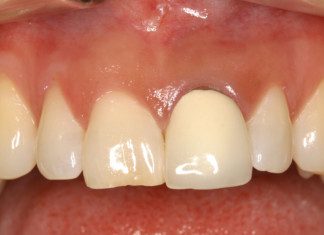
Crowns That Don’t Match
Do you (or someone you know) have a single tooth or crown that doesn’t match your other teeth in color? Have you been told that you need to get crowns or veneers on SEVERAL or ALL (4-8) of your front teeth in order to get a match?
NOT TRUE.
The most common problem is having a dentist who doesn’t have a ceramist capable of this type of artistry. The truth is...
Cracked Tooth?
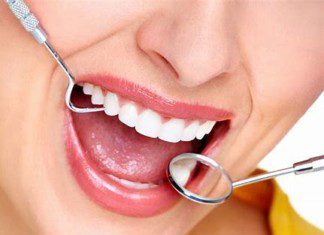
Cracked teeth can be painful, unattractive and very costly to repair. (That is, IF they're still restorable when the crack is discovered or becomes problematic). I see cracked teeth all the time. Research suggests that the majority of adults have at least one posterior (molar or premolar) cracked tooth. Crack progression and related symptoms are a common concern in every dental practice.
ABOUT CRACKED TEETH
Cracked teeth can be caused from...

Do You Grind Your Teeth At Night?
Teeth Grinding (Bruxism)
Many people grind their teeth from time to time (a condition called “Bruxism”).
Occasional grinding is not usually harmful, but damage can surely result from regular tooth grinding; sometimes even severe damage.
Sleep Bruxism has also been associated with snoring, sleep apnea, moderate daytime sleepiness, heavy alcohol consumption, caffeine drinkers, smoking, a highly stressful lifestyle, and those with anxiety.
According to a comprehensive study reported in the American College of...

Does Insurance Cover Dental Implants?
With all of the changes dentistry has seen over the past 50+ years, you would think that dental insurance would be changing to keep up with the times, but, sadly, that is just not true. Little has changed, (with the exception of how successful they have become in controlling the dental marketplace.) I would estimate that 50% of our patients have some form of dental insurance, yet few really...

DENTAL TOURISM
People have known about “dental tourism” for some time now. I even had a patient many years ago, who made the trip to Mexico to have a crown made – and at a substantially lower fee than mine. Honestly, I thought it was… not bad! But, then, I’ve also seen many, many cases in which the result was horrendous.
Some dental treatment failures can be fixed after the fact, (which...
Osteoporosis and Dental Implants
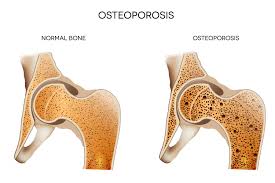
Osteoporosis is a systemic disorder characterized by generalized decrease in bone density. It occurs when the body loses too much bone, makes too little bone, or both. As a result, bones become weak and may break from a fall or, in serious cases, from minor things like sneezing or minor bumps.
Osteoporosis means “porous bone.” When viewed under a microscope, healthy bone looks like a honeycomb, with small holes. When...

Diabetes And Oral Health
Diabetes
NOUN
1. A disease in which the body’s ability to produce or respond to the hormone, insulin, is impaired, resulting in abnormal metabolism of carbohydrates and elevated levels of glucose in the blood and urine.
Diabetes affects your body’s ability to process sugar. Much of the food you eat is turned to sugar and used for energy. Normally, the pancreas releases insulin to help your body store and use the sugar...
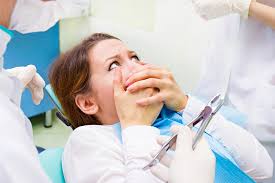
Dental Anxiety And Dental Phobia
If you have put off needed dental treatment out of fear going to the dentist, you’re not alone. It is estimated that nearly 75% of adults in the U.S. experience some amount of fear when visiting a dentist. Of that percentage, between 10% - 20% of Americans suffer from dental anxiety. That’s about 30 million to 60 million people! It is a universal phenomenon. Maybe you had a traumatic...
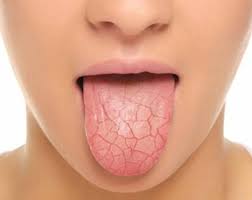
Do You Suffer From Dry Mouth?
What Is Dry Mouth?
Dry mouth, or Xerostomia, occurs when your body doesn’t produce enough saliva. Not only is it very uncomfortable, it also can negatively affect your oral health. Medications are the number one cause of dry mouth, and literally hundreds of medications are known to cause it.
People with dry mouth are at a much higher risk of getting recurrent decay (cavities), and soft tissue infections (gums, cheek lining...

Antibiotic Prophylaxis For Heart Patients & Prosthetic Joints
Heart Patients (For PROSTHETIC JOINTS: See below)
The use of antibiotics prior to dental procedures is recommended for patients with certain heart conditions like Infective Endocarditis (IE).
In the past, patients with nearly every type of heart defect needed to receive antibiotics one hour prior to dental procedures or any invasive procedure in the mouth, throat, gastrointestinal genital, or urinary tract. However, in 2007 the American Heart Association simplified its recommendations. Today, taking antibiotics...

Correcting Teeth w/Crowns & Bridges
No one expects their teeth to become damaged or fall out, but these problems still take place at an alarming rate. Tooth loss is an extensive problem. Almost everyone will lose at least one adult tooth before they turn 75. For these patients, correcting these teeth with crowns or bridges can restore their smile and protect the remaining teeth after chips, cracks, tooth decay and other forms of damage...

Benefits of Single-Tooth Dental Implants
Almost everyone will lose at least one adult tooth by the time they are a senior. Many might think that this is only a cosmetic issue, but failing to replace a missing or extracted tooth can result in a myriad of other issues. For patients who have recently lost a tooth or will need to have a tooth extracted in the near future, single-tooth dental implants are one of...

Cosmetic Dentistry
The term “Esthetic” or “Cosmetic” Dentistry has been used frequently in the dental industry. The concept of “Cosmetic Dentistry” is ill defined by the dental industry. The reason for the quotations around the phrase is because there is no such specialty in dentistry. The term “Cosmetic Dentistry” is used to imply that one dentist is more versed in nice appearing outcomes than others. Of course, this is only a...

Denturism
Since the introduction of immediate temporization of dental implants on the day of surgery there has been a mad rush to provide as many patients with this treatment as possible. It is technically difficult, requiring some training and much experience, to convert a denture to a fixed provisional restoration (jumping the denture). When the surgeons aggressively promoted the same-day, fixed restoration they were not prepared for the lack of...

USA, The Smile Nation
Most Europeans can identify a U.S. citizen by their smile. Certainly, Americans put much emphasis on our smiles, but why is that? I am not sure anyone can accurately answer this question but clearly, our smiles are important to us.
If you look back, it seems that every family has a turning point in one or two generations where the children get more than their share of dental care. As...

The Troubles with Dentures and Partials…. And the Solution
People who wear them know very well of the troubles with dentures and partials. They often suffer a number of different compromises. There are a few basic causes of these problems.
Common Causes of Denture Problems
First of all, dentures and partials are artificial substitutes that are nothing like the original teeth they’re replacing. Dentures are much larger than the teeth they replace. Because of the size difference, most patients who...

Cosmetic Dentistry & The American Dental Association
The term “Esthetic” or “Cosmetic” Dentistry is used frequently in the dental industry. But, did you know nearly any dentist can call himself a cosmetic dentist? The concept of “Cosmetic Dentistry” is ill defined by the dental industry. The reason for the quotations around the phrase is because there is no such specialty in dentistry.
The term “Cosmetic Dentistry” is widely used to imply that one particular dentist is more...

The Importance of Board Certification
BEST INTENTIONS AND THE IMPORTANCE OF BOARD CERTIFICATION
Fall 2010- ACP Messenger, published by the American College of Prosthodontists
New Prosthodontic graduates often ask, “Why should I take the Boards?”
What is Board Certification?
A board certified prosthodontist has successfully passed a rigorous examination conducted by the American Board of Prosthodontics. They are subjected to re-certification every eight years to insure that they are current in practices that affect the specialty.
The American Board...

How Oral Bacteria Can Trigger Heart Disease
Oral bacteria can cause blood clots and lead to serious hearts problems if it enters the bloodstream, studies indicate.
In a study published in 2018, researchers analyzed data from nearly a million people who experienced more than 65,000 cardiovascular events (including heart attack). They found that after accounting for age, there was a moderate correlation between poor oral health and coronary heart disease.
How are heart disease and poor oral...

Only 1% of people with missing teeth get implants
Internationally known dental researcher/lecturer Gordon Christensen, DDS, MSD, PhD, speaking at the American Academy of Implant Dentistry annual meeting, said that 99% of people missing teeth do not get dental implants. The specialty must become more mainstream and the procedure more affordable to serve this unmet need.
Why Aren't More People Getting Dental Implants?
“There are 178 million people in the United States who are missing one or more teeth, yet...