Partial tooth loss, particularly in the lower jaw, can significantly impact daily activities such as eating, speaking, and smiling comfortably. Lower partial dentures emerge as an affordable solution for patients who opt for treatments not including dental implant bridges, offering not just restoration of missing teeth but also enhancing oral functionality and improving overall quality of life.
Design
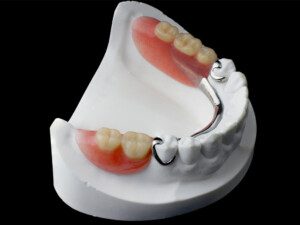
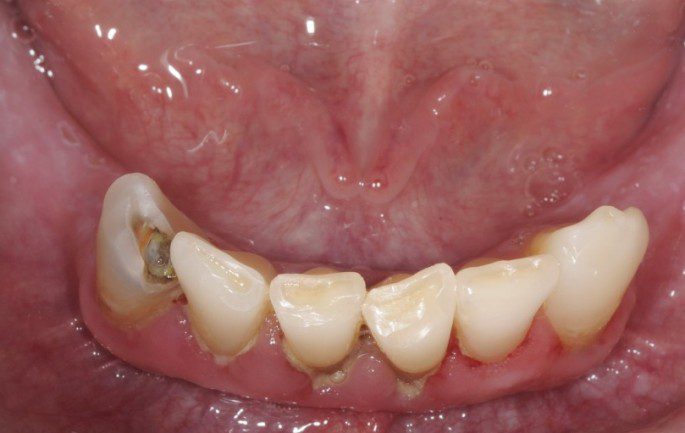
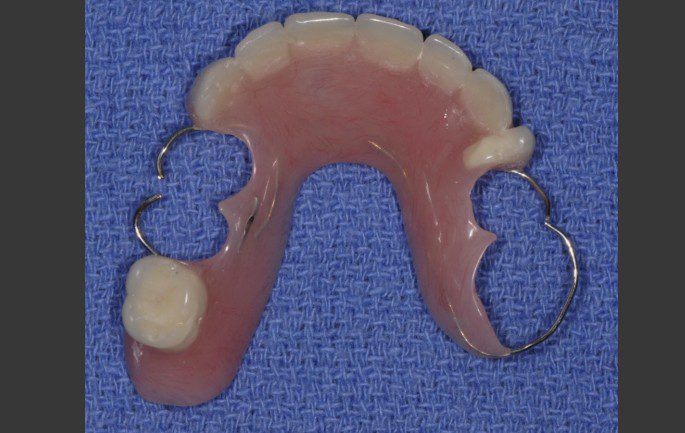
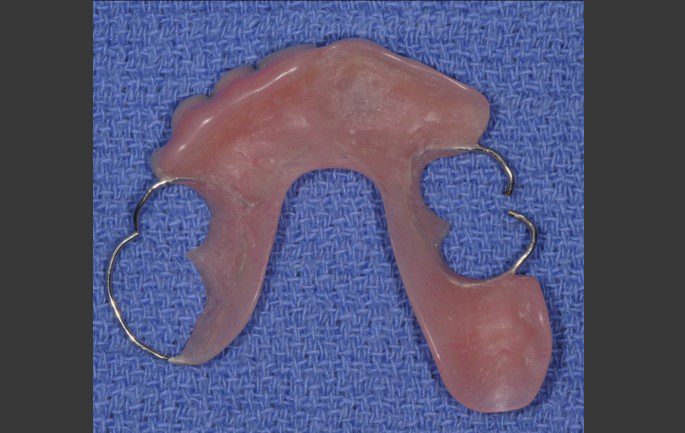
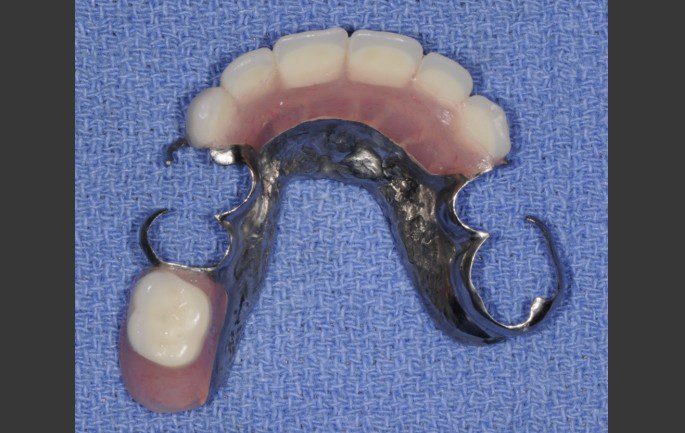
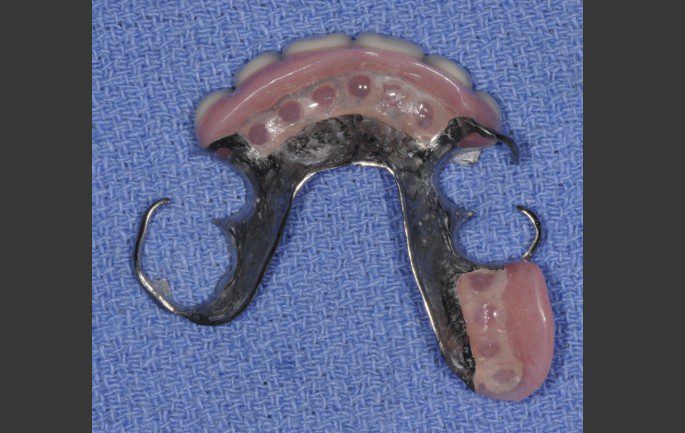
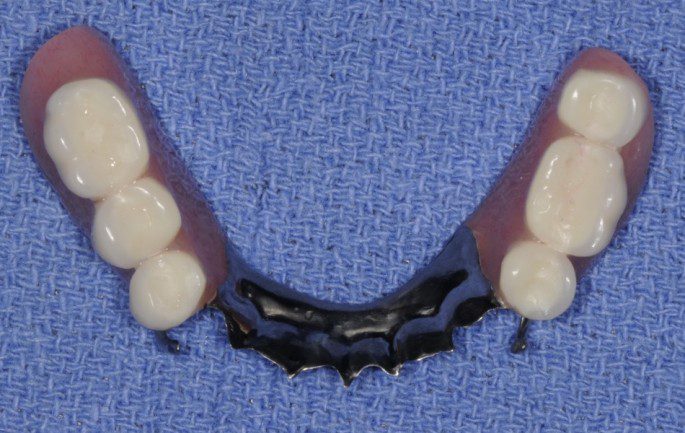
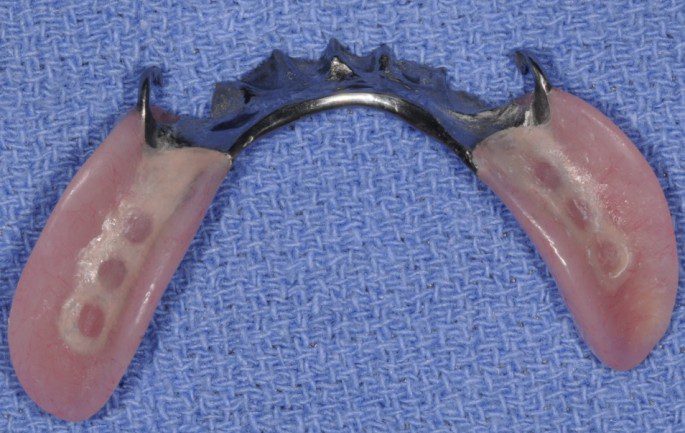
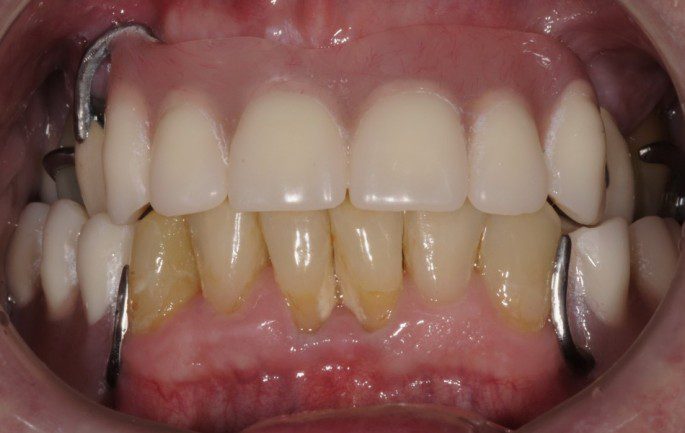
Since most of the chewing forces are supplied by the back teeth, a lower partial denture for back teeth will have a metal bar along the lingual side of the front teeth to balance the forces and give it strength. This will need to be thick enough to provide the strength needed to protect it against breakage when chewing. It will also have clasps in strategic areas for stability.
Restoring Dental Harmony
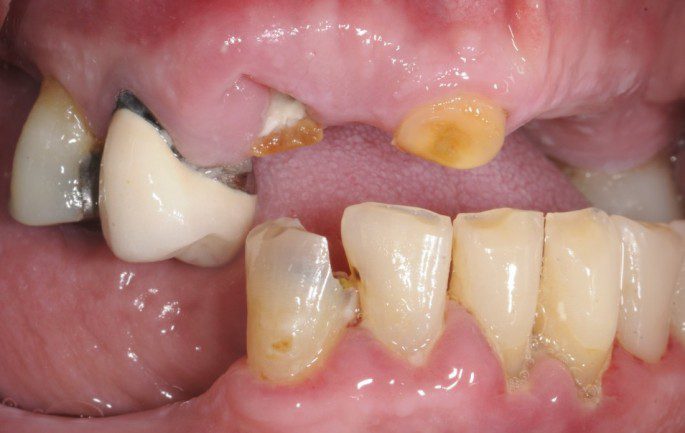
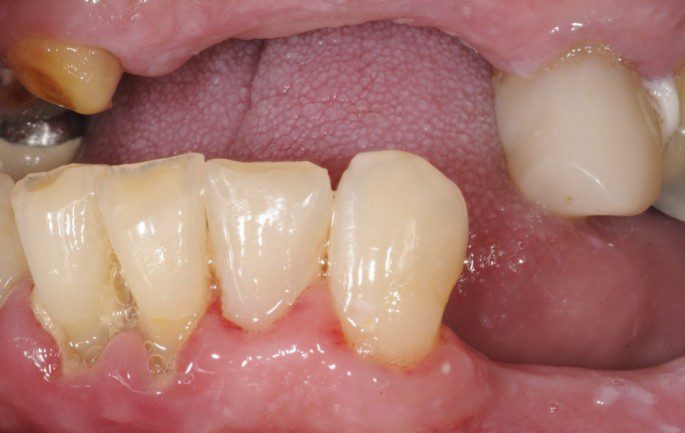
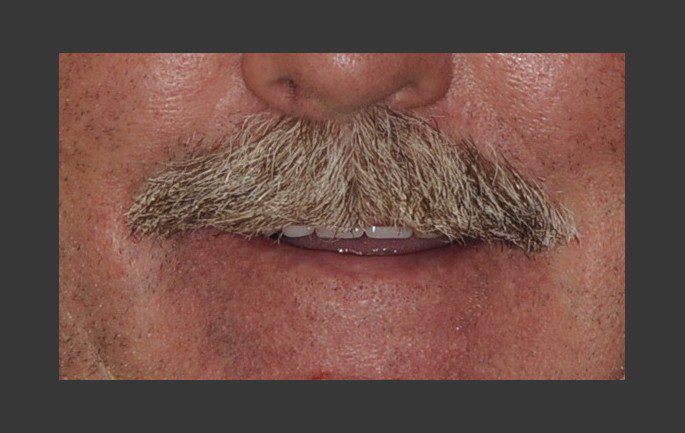
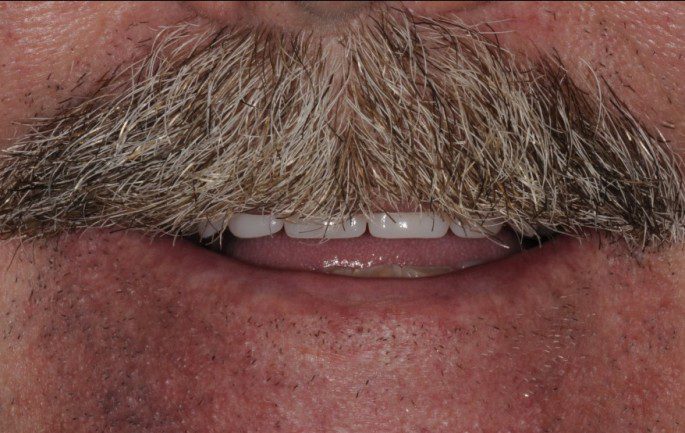
Lower partial dentures are meticulously crafted dental appliances designed to replace missing teeth in the lower jaw. They serve as prosthetic replacements, integrating with existing teeth to restore the natural appearance of the smile. These dentures are customized to match the shape, color, and alignment of the remaining natural teeth, ensuring a harmonious blend within the rest of the mouth.
Improved Chewing and Speaking Abilities
Missing teeth in the lower jaw can hamper the ability to chew food thoroughly and speak clearly. Lower partial dentures help to restore the essential function of chewing by providing support and stability, enabling individuals to bite and chew foods more effectively than without teeth. Additionally, they aid in speech articulation, ensuring clear and natural pronunciation of sounds and words, alleviating any previous speech difficulties caused by missing teeth.
Customized Comfort and Fit
One of the key advantages of lower partial dentures is their customizability. Detailed impressions and measurements of the mouth are taken to create a tailored fit. This personalized approach ensures optimal comfort, stability, and functionality, minimizing any discomfort or slippage commonly associated with poorly fitting dental appliances. Advanced materials and technology contribute to a snug and secure fit, allowing users to engage in daily activities with confidence.
Process of Obtaining Lower Partial Dentures
The journey toward acquiring lower partial denture made involves consultations with a prosthodontist. These professionals assess the oral condition, discuss individual preferences, and develop a personalized treatment plan. Impressions and measurements guide the creation of custom-fitted lower partial dentures, ensuring they complement the existing natural teeth.
Maintaining Optimal Oral Hygiene
Proper care is essential to prolong the lifespan and effectiveness of lower partial dentures. It is not recommended that you use regular toothpaste on them, as the abrasiveness will create microscopic scratches that will make the prosthesis more prone to staining and plaque accumulation. Regular cleaning (at least twice a day) with a soft brush and mild denture cleansers, as well as maintaining good oral hygiene with daily brushing and flossing, are fundamental practices.
One upside to partial dentures: Depending on the teeth you’re missing and the teeth you have supporting the partial, if you lose additional teeth, they can often (but not always) be added to the lower partial denture at the time the tooth is extracted.
Like any removable prosthesis, is recommended that you take your lower partial denture out each night and after cleaning it and soak it in water while you sleep. This will give your gums a chance to rest and not become atrophied from the constant pressure the partial places on them. Soaking it in water will protect the acrylic from drying out and being more prone to cracking, and from warping.
Conclusion
Lower partial dentures offer a viable, affordable solution for individuals dealing with the challenges of tooth loss in the lower jaw. Beyond restoring aesthetics, these dental appliances enhance chewing efficiency, speech clarity, and overall oral functionality. With their custom-fit design and focus on comfort, they empower individuals to regain confidence in their smiles and comfortably engage in daily activities, underscoring the significance of these innovative dental solutions in promoting both oral health and well-being.
Frequently Asked Questions
What are lower partial dentures and who are they for?
Lower partial dentures are customized dental appliances designed to replace missing teeth in the lower jaw. They are an affordable solution for patients who choose not to go with dental implant bridges.
How do lower partial dentures improve daily life?
They help restore chewing efficiency, speech clarity, oral function and overall comfort, allowing the patient to eat, speak and smile more confidently again.
How are lower partial dentures designed?
Because most chewing force comes from the back teeth, lower partials typically have a metal bar along the inside of the front teeth to provide strength and balance, plus clasps in strategic areas for stability.
Do lower partial dentures look natural?
Yes, they are made to match the shape, color and alignment of your remaining teeth so they blend naturally and restore a harmonious smile.
Are lower partial dentures custom-made?
Yes, impressions and measurements of your mouth are taken so the denture is tailored to fit comfortably and stay secure without slipping.
What is the process of getting lower partial dentures?
It begins with a consultation where a prosthodontist examines your mouth, discusses your needs and then creates a plan. Impressions and measurements are then used to produce your custom partial denture.
Can I use regular toothpaste to clean my partial denture?
No. Regular toothpaste is abrasive and can scratch the surface, making it more prone to staining and plaque buildup. Mild denture cleanser and a soft brush should be used instead.
Do I need to remove my partial denture at night?
Yes. It should be taken out each night, cleaned and soaked in water while you sleep. This allows your gums to rest and helps prevent the acrylic from drying, cracking or warping.
Can more teeth be added to a lower partial denture later?
Sometimes, yes. Depending on which teeth are missing and which teeth support the partial, if you lose additional teeth they can often be added to the existing partial at the time of extraction.