Dental implants are a life-changing experience for so many patients who, because of tooth problems, have suffered difficulties with many normal day-to-day activities. One of the biggest improvements we see in patients’ lives, is the joy of their newfound ability to eat foods that were formerly restrictive.
We enjoy helping our patients obtain a healthy mouth and enjoy the happiness of being able to eat your favorite foods again, but we need you to remember that (just like with natural teeth), there are some foods that are harder on your teeth than others and are therefore not recommended for good oral health (think: beef jerky!), and other foods, that are “on hold” (temporarily) after implant placement.
We would like to help you understand the long-term dos and don’ts regarding a diet that’ll maintain the integrity of your dental implants and to review what to plan for, regarding your diet, during the first few weeks after your implant surgery. All of this is vitally important to their long-term success.
OUR PRIORITY: NOT OVERSTRESSING/OVERLOADING THE NEW IMPLANTS
Yes, we can do the surgery and (in many cases) even give you new teeth all in one day, but for proper healing, you will need to be careful to not overstress the newly placed implants. You will also want to keep your mouth clean and minimize any bacteria around the soft tissues and around the implants while they heal. This page is all about not overstressing the new implants.
It’s important to remember that the implants, although they may FEEL stable, once placed, they are not fully integrated in the bone right away; this takes time. Once they are fully integrated and completely healed, you’ll be able to eat anything you want. In the meantime, use this as a guide:
THE DAY OF YOUR SURGERY
You can eat immediately after your dental implants are placed, however, remember your gums will be tender and possibly slightly swollen for a few days after your surgery, depending on various factors. Because of this, you’ll want to avoid sticky, chewy, or crunchy foods, and stick with soft foods, immediately following your surgery.
Some foods you can eat immediately after placement (& for the first few weeks) include softer things like:
-
- Scrambled eggs
- Crepes
- Quiche
- Soft bread
- Yogurt
- Cottage cheese
- Stews (meat cooked to a soft state)
- Pasta / macaroni and cheese
- Cooked beans
- Cooked vegetables (cut and eaten from a fork)
- Fish
- Chicken, cooked and cut into bite sized pieces
- Smoothies (drink, don’t suck from a straw)
- Softer fruits like strawberries, bananas, blueberries, oranges, etc. (mashed the first few days)
- Applesauce
- Ice cream (from a spoon, though, not sucked through a straw)
- Sugar-free protein drinks/shakes
- Oatmeal
- Rice
- Mashed potatoes/sweet potatoes
- Soft meat, like meatballs, hamburger patties
- Soft breads (in small pieces)
- Soups
For the first 24-72 hours, you want to be careful to eat only soft foods and liquids to protect your tender gums. It takes some time until they’ve fully healed, and the implants have integrated with the bone and are rock solid and stable. In the meantime, just remember; soft is better.
THE FOLLOWING FEW WEEKS
For a while after your implant surgery, all foods that are excessively crunchy or chewy should be avoided. So, although you may be looking very forward to biting into an apple, some corn-on-the-cob or a bowl of corn chips and salsa, for those first two weeks or so, they’ll retard the progress your implant healing. The day WILL come, though, so just be patient. Remember, we’re talking about bone healing here 😊
For now, continue to AVOID:
-
- Anything from a straw
- Anything really hard or crunchy (raw carrots, granola bars, chips, etc), until things are fully healed and you have been given the green light to crunch away!
- Anything really chewy (dried fruits, gummy candy, pizza crust, fibrous meats)
FOODS YOU MAY WANT TO LIMIT LONG-TERM because of staining: STRONGLY COLORED BEVERAGES / FOODS
Your new teeth can easily reflect what you drink. Many of our favorite beverages can have a negative impact on your new teeth. Some of the biggest culprits of staining are:
-
- Red wine
- Coffee
- Tea
- Colorful or dark sodas
- Mustard
- Dark berries (blueberries, blackberries)
- Tomato sauces
- Curry-type sauces
Of course, we aren’t saying to completely avoid these things; But realize these are more likely to cause staining, so just remember to practice good home care after consuming them. Rinsing after you eat or drink these things, will help your teeth clean and help avoid excess staining.
Fortunately, our team of professionals can even help you remove any stains accumulated during your 6-month cleaning appointments. (Yes, you’ll still need cleaning appointments 😊)
Once you fully recover from your dental implant procedure, you’ll be able to eat whatever you want!
KEEP A HEALTHY DIET
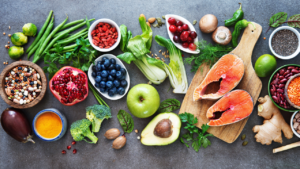
For the best oral health results, your diet should consist of staples like:
- Lean meats
- Fresh vegetables
- Fresh fruit
- Whole grains
- Legumes
- Plenty of water
If you’re in need of dental implants or currently having a dental emergency and are considering dental implant treatment, we are here to help. Even if dental implants aren’t a part of your dental needs, or if for some reason, you are not a candidate, we can help you learn about the various options available for your personal circumstance, and help you find a way to get it taken care of. After all, as Prosthodontists, our training is focused on RESTORING teeth, as well as REPLACING them when they’re lost.
Frequently Asked Questions
Can I eat right after my dental implant surgery?
Yes, you can eat immediately after implant placement, but your gums will be tender and you should stick to soft foods for the first few days to avoid overstressing the implants.
Why do I need to avoid chewy or crunchy foods after implants?
Even if the implants feel stable, they are not fully integrated into the bone yet, and hard or chewy foods can overload them and slow the healing process.
What types of foods are safe to eat right after implant placement?
Soft foods like scrambled eggs, yogurt, pasta, cooked vegetables, soft meats, fish, smoothies (without using a straw) and mashed fruits are recommended during the initial healing period.
How long do I need to avoid crunchy foods like chips or raw carrots?
For at least the first couple of weeks, very crunchy or chewy foods should be avoided until the implants have made further healing progress and your doctor clears you.
Can I drink from a straw after my implant surgery?
No, using a straw creates suction which can disturb healing tissues, so straws should be avoided until after the initial healing phase.
Will I eventually be able to eat anything I want again?
Yes, once the implants are fully healed and integrated into the bone, you will be able to eat normally and enjoy any foods you want.
Can strongly colored foods and drinks stain my new implant teeth?
Yes, beverages and foods such as red wine, coffee, tea, sodas, tomato sauces, curry, and dark berries can cause staining and you should rinse or clean after consuming them.
Do I still need regular cleanings once I have dental implants?
Yes, even after getting implants you will still need regular 6-month dental cleanings, and professional cleanings can also help remove any stain buildup.