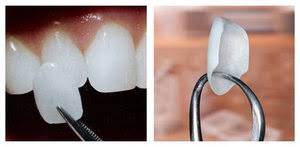
Porcelain veneers are a popular cosmetic dental treatment that can dramatically improve the appearance of your smile. These thin, custom-made shells are bonded to the front of your teeth to correct imperfections in color, shape, size, or alignment. Whether you’re looking to brighten stained teeth, close gaps, or create a more uniform smile, porcelain veneers offer a long-lasting and natural-looking solution.
Why Choose Porcelain Veneers?
Patients consider porcelain veneers for a variety of reasons, including:
- Discolored or stained teeth that don’t respond to whitening treatments
- Chipped, cracked, or worn teeth
- Misaligned, uneven, or irregularly shaped teeth
- Gaps between teeth
- Desire for an overall brighter, more symmetrical smile
When done properly, veneers can last 10 to 15 years or longer, providing both cosmetic and functional benefits. However, the success and longevity of veneers heavily depend on the expertise of the dental professional providing the treatment and the oral hygiene practices of the patient.
Why See a Prosthodontist for Porcelain Veneers?
While many general dentists offer porcelain veneers, a prosthodontist has advanced training specifically in restoring and replacing teeth. Prosthodontics is one of the twelve dental specialties recognized by the American Dental Association (ADA), and prosthodontists undergo three additional years of specialized education beyond dental school.
This extra training focuses on complex dental restorations, esthetics, dental materials, and occlusion (how your teeth come together when you bite). Prosthodontists are often considered the architects of the smile because of their deep understanding of dental function and esthetics.
- General Dentists: Provide a wide range of dental services but may have less experience with complex restorative cases or cosmetic procedures requiring precision.
- Prosthodontists: Specialize in tooth restoration and replacement, with an emphasis on achieving natural appearance, long-term durability, and proper bite alignment.
The Importance of Precision in Veneer Treatment
Placing porcelain veneers is not just about improving appearance—it’s about preserving tooth structure, ensuring proper fit, and maintaining the health of your teeth and gums. Poorly fitted veneers can lead to issues like gum irritation, tooth sensitivity, recurrent decay, or even bite problems over time.
A prosthodontist considers:
- Facial symmetry and proportions
- Bite alignment and jaw function
- Optimal color matching for natural esthetics
- Precision preparation and meticulous impressions
- Long-term stability and durability of the veneers
With their advanced training, prosthodontists are skilled at handling more challenging cases, such as patients with worn teeth, previous dental work, or complex bite issues.
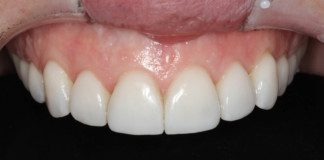
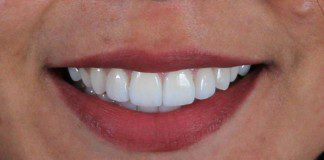
Browse Our Gallery of Veneer Treatments
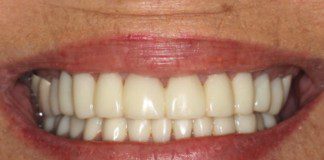
Procedure for Getting Veneers:
- Consultation and Planning: We’ll discuss your concerns and goals, assess your teeth, and determine if veneers are a suitable option for you.
- Teeth Preparation: A small amount of enamel will need to be removed from the front surface of the teeth to create space for the veneer to bond properly.
- Impressions and Lab Work: Impressions of your teeth are taken and sent to our dental lab, where custom veneers are fabricated.
- Temporary Veneers: While the permanent veneers are being made, temporary veneers may be placed to protect your teeth.
- Placement and Bonding: Once the permanent veneers are ready, they are tried in and then bonded to the teeth with a special adhesive.
- Final Check: After the veneers are bonded to your teeth, we will make any necessary adjustments to ensure a comfortable and natural-looking fit, and that all contours are smooth and you are able to floss between and around them. .
Things to Consider:
Cost: Porcelain veneers are a more expensive option than composite veneers, but they offer a longer-lasting and more natural-looking result, and they are much more stain-resistant.
Irreversible: The procedure is irreversible, as some enamel is removed to accommodate the veneers.
Maintenance: While veneers are durable, they still require proper oral hygiene and care to maintain their longevity.
Eating: You need to be more careful with veneers than with natural, unrestored teeth. Biting and pulling your food can stress and weaken the veneers. After all, they are extremely thin shells of porcelain/glass and can break easily. So just be careful with them.
Not a Permanent Solution: Veneers are not a permanent solution, and they may eventually need to be replaced. We’ve had some last up to 20 years or more, but they do, at some point, need to be replaced. This is why your homecare, and how carefully you treat them can help them last longer.
Ready for a Confident Smile?
If you’re considering porcelain veneers, choosing a prosthodontist can help ensure that your new smile is not only beautiful but also healthy and long-lasting. Our doctors are all prosthodontists! Contact our office today to schedule a consultation and take the first step toward your dream smile!