WHY ARE MY TEETH SO SENSITIVE?
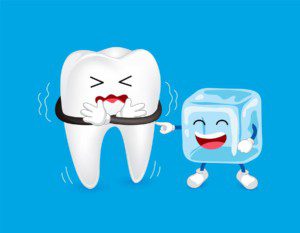
If cold, sweet, acidic or hot foods make your teeth hurt, you may have sensitive teeth.
Tooth sensitivity (without decay or a fracture) is a common complaint we see on a daily basis at the office. Sensitivity/pain is most often caused by decay or from a cracked tooth, but not always. If these have been ruled out and you’re still having sensitivity, it is likely caused by the inner layer (dentin) of teeth becoming exposed. This can happen for a variety of reasons. Some causes are; overzealous brushing, receding gums, using a toothpaste that is too abrasive, tooth grinding, unsupervised “whitening”, frequent consumption of acidic beverages (i.e. soda), and so on.
If a cavity is the cause, a tooth restoration a filling (or crown, etc.) will help. If it’s gum disease, your dentist and dental hygienist will be able to treat it. But if it’s mostly just sensitive to cold or acidic food, it’s most likely from the dentin layer of the tooth being exposed.
Treatments for this can include using a desensitizing toothpaste, the use of prescription strength fluoride toothpaste and/or rinse and direct application of any one of a number of desensitizing medicaments in the office.
While mild (food/drink inspired) sensitivity is not usually a sign of a more serious dental problem, it can be! If you find yourself experiencing this annoying symptom, please bring it to our attention as soon as possible. We will be happy to help.
THE NUTSHELL VERSION:
Most cases of sensitive teeth are caused by the inner layer (dentin) of teeth becoming exposed. There are a wide variety of causes for tooth sensitivity. These include overzealous brushing, receding gums, using a toothpaste that is too abrasive, tooth grinding, unsupervised “whitening”, frequent consumption of acidic beverages (i.e. soda), and more.
Treatments for this can include use of desensitizing toothpaste, prescription strength fluoride rinses and direct application of any one of a number of desensitizing medicaments in the office.
While mild (food/drink inspired) sensitivity is not usually a sign of a more serious dental problem, it can be! If you find yourself experiencing this annoying symptom, please bring it to our attention as soon as possible. We will be happy to help.
If you’re experiencing any of the above-mentioned symptoms, please bring it to our attention as soon as possible. If you’ve never been to our practice contact us here or call us for a complimentary evaluation. We’re here to help! 214-956-9100
Frequently Asked Questions
What causes my teeth to hurt when I eat or drink something cold, hot, sweet or acidic?
If you haven’t got a cavity or cracked tooth, it’s likely that the inner layer (dentin) of your tooth has become exposed, which triggers this sensitivity.
What are common reasons the dentin layer becomes exposed?
It can result from over‐vigorous brushing, receding gums, using an overly abrasive toothpaste, tooth grinding, unsupervised whitening, frequent acidic beverages like soda, and other similar stresses.
If I rule out decay or a fracture, is tooth sensitivity still something to worry about?
While mild sensitivity is not always a sign of a serious problem, it can indicate underlying issues, so it’s advisable to bring it to your dentist’s attention rather than ignore it.
What can I do at home to reduce tooth sensitivity?
You can try switching to a desensitizing toothpaste or a prescription‐strength fluoride rinse, and avoid habits like aggressive brushing or very acidic drinks.
What treatments are available at the dentist’s office for tooth sensitivity?
Your dentist may apply direct desensitizing medicaments, or use prescription fluoride products and other in‐office treatments to reduce sensitivity once dentin exposure has been established.
Does sensitivity always mean I need a filling or a crown?
No — if the sensitivity is due to exposed dentin rather than a cavity or crack, you may not need a restorative procedure; instead, you’ll focus on desensitizing measures.
How quickly should I act if I notice tooth sensitivity?
If you begin experiencing sensitivity, it’s wise to consult your dentist sooner rather than later, because although many cases are mild, they might signal a more serious dental problem.