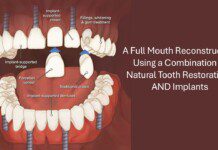

While prosthodontists and general dentists both play essential roles in oral healthcare, they differ in their focus, education, and the scope of services they provide. Here’s a breakdown of the key distinctions between a prosthodontist and a general dentist:
Specialization and Education
General Dentist: General dentists complete four years of dental school. Their education covers a broad range of dental topics, including preventive care, basic restorations, and general oral health. While they may offer some restorative services, their training is not as specialized as that of a prosthodontist.
Prosthodontist: Prosthodontists are dental specialists who undergo advanced training beyond dental school. After completing four years of dental school, they dedicate three additional years to a prosthodontic residency program accredited by the American Dental Association (ADA). This specialized education equips them with in-depth knowledge and skills in the restoration and replacement of teeth.
Scope of Services
General Dentist: A general dentist is a primary care provider. They provide a wide range of dental services, including preventive care, routine cleanings, fillings, and basic restorations. They address general oral health concerns and may perform simple restorative procedures, but their expertise is not as concentrated on complex prosthodontic cases.
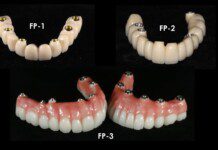
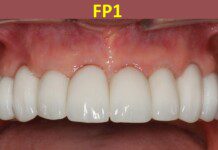
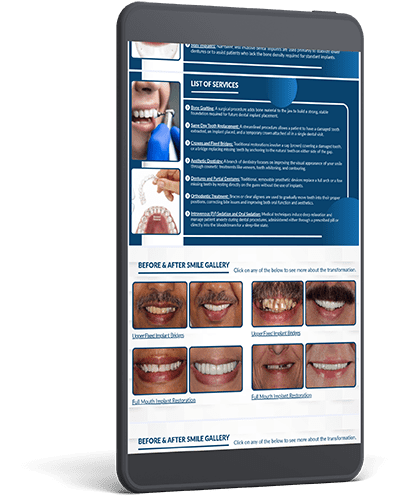
Prosthodontist: A prosthodontist is a specialist. They specialize in the design, fabrication, and placement of dental prostheses. They focus on complex cases involving the restoration and replacement of missing or damaged teeth. This includes creating crowns, bridges, dentures, and working with dental implants for more comprehensive treatments.
Complex Cases and Comprehensive Treatment
General Dentist: General dentists are well-equipped to handle routine dental care, minor restorations, and basic oral health issues. However, for cases requiring specialized knowledge and skills in complex restorations or full-mouth rehabilitation, a prosthodontist’s expertise is often sought.
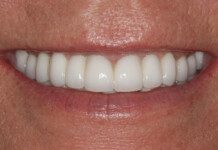
Prosthodontist: Prosthodontists are experts in handling complex cases that involve multiple missing teeth, full-mouth reconstructions, and intricate dental restorations. They develop comprehensive treatment plans tailored to individual patient needs, considering both functional and aesthetic aspects.
In summary: While general dentists provide a broad spectrum of basic and routine dental care, prosthodontists are specialists with advanced training specifically focused on the restoration and replacement of teeth. Choosing between the two often depends on the complexity of the dental issue at hand, with prosthodontists being the go-to professionals for intricate cases requiring specialized expertise.
Frequently Asked Questions
What is the main difference in education between a general dentist and a prosthodontist?
A general dentist completes four years of dental school covering a broad range of dental topics, whereas a prosthodontist completes those four years plus three additional years of advanced residency training in prosthodontics.
What kinds of services does a general dentist typically provide?
A general dentist provides preventive care, routine cleanings, fillings and basic restorations, serving as a primary-care provider for oral health.
What kinds of cases does a prosthodontist specialize in?
A prosthodontist specializes in complex restorations and replacements of missing or damaged teeth, including crowns, bridges, dentures and implant-based solutions.
When might a patient be referred from a general dentist to a prosthodontist?
When a case involves multiple missing teeth, full-mouth rehabilitation or intricate restorations beyond the routine scope of general dentistry, a prosthodontist’s expertise is often needed.
Why might someone choose a prosthodontist rather than staying with a general dentist for their restorative needs?
Because a prosthodontist has advanced training and focuses specifically on restoration and replacement of teeth, they are better equipped to handle comprehensive treatment plans that address both function and aesthetics in complex cases.
Does the article suggest that general dentists cannot perform restorations like crowns and bridges?
No—general dentists can perform crowns and bridges, but the article notes that when the case becomes more complex, the specialist training of a prosthodontist may offer a higher level of care.
How do prosthodontists approach treatment differently than general dentists?
Prosthodontists develop comprehensive treatment plans tailored to individual functional and aesthetic needs, especially for advanced cases, whereas general dentists manage broader and routine oral care.