Tooth enamel is the hardest substance in our body. It’s even harder than bones and is made up almost entirely of minerals. It’s a good thing enamel is so hard and strong, because our teeth are always working hard and constantly under attack. Enamel is the layer of our teeth that protects them. Even though it’s very strong, it only forms a thin layer over each tooth, so you need to take good care of it.
Enamel acts as the hard, protective coating of the tooth, which protects the sensitive dentine layer beneath it. When the enamel is worn away, the dentine underneath is exposed, which may lead to pain and sensitivity. Dentin is much softer, more porous, and significantly more prone to decay.
Sadly, enamel erosion is extremely common, though largely preventable.
 What is enamel erosion?
Erosion is the loss of tooth enamel. It’s most commonly cause by acid attack. Less common, but still seen quite often, is erosion due to overaggressive brushing.
Enamel’s main enemies are acidic foods and beverages. Other factors that can weaken enamel or wear it away are certain medications, teeth grinding, overaggressive brushing, acid reflux, gastrointestinal ailments, chewing ice or other hard substances, and eating disorders, such as bulimia.
Here are five quick facts about enamel erosion:
- Enamel is unlike many other tissues in the body; your bones, for example – enamel doesn’t contain any living cells, so once it is gone, it can’t be regenerated.
- According to the NIH, 41% of people under the age of 18 already have enamel erosion.
- Brushing too hard can damage enamel; weakening it or eroding it altogether.
- Diet sodas, sports drinks, and energy drinks are just as dangerous as sugared sodas.
- Dry mouth can weaken enamel because it results in less saliva, which helps keep enamel healthy and strong.
 How can you tell if you have enamel erosion?
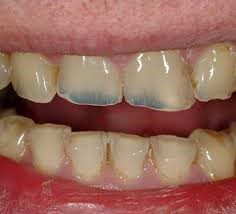 How can you tell if you have enamel erosion?
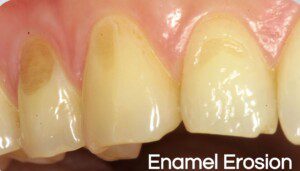
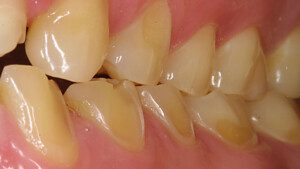
As the enamel continues to erode, your teeth will turn a gray or yellowish color. Sometimes, when this happens to front teeth, they become very thin and translucent. If your teeth change shape, it’s a good indicator that you have enamel damage. Your teeth may begin to appear rounded, develop ridges, and often the gaps between teeth will become more substantial.
What can be done to fix enamel erosion?
Treatment of enamel loss depends on the severity and location of the problem. Sometimes, bonding can be used to protect the tooth from further damage and increase cosmetic appearance. If the enamel loss is significant, though, it may require being covered with a crown or a veneer to protect it from further erosion and decay.
Can teeth be whitened if the enamel is gone?
No. If you don’t have enamel, the tooth won’t whiten well. At that point, you’ll need to discuss porcelain veneers or possibly full-coverage crowns.
Can you strengthen weakened enamel??
Tooth enamel is made from minerals like calcium that also helps make your bones stronger.
High-calcium foods neutralize the acid that harms enamel and can help add minerals back into tooth surfaces. As the Academy of Nutrition and Dietetics suggests, dairy products are a great calcium source, but many vegetables also are calcium-rich. Soybeans in edamame and tofu, broccoli rabe, kale and other leafy greens are leading non-dairy options for adding calcium to your diet. And don’t forget to drink plenty of water. Water helps boost your saliva levels, and saliva is how calcium transfers to your teeth.
If you suspect enamel erosion in your mouth, come see us. We will evaluate the amount and condition of your enamel, and together, we can design a plan for how you can best protect it.
Frequently Asked Questions
What exactly is enamel erosion?
Enamel erosion is the gradual loss of tooth enamel, most commonly caused by acid attack and less commonly by aggressive brushing or other physical wear.
What are the main causes of enamel erosion?
The most common cause is exposure to acidic foods and drinks; other contributing factors include acid reflux, gastrointestinal illnesses, certain medications, grinding teeth, and brushing too hard.
Which habits increase the risk of enamel erosion?
Frequent consumption of acidic beverages (such as sodas or citrus juices), persistent vomiting or reflux, chewing hard objects like ice, and over-vigorous brushing are all habits that raise the risk.
What symptoms might suggest my enamel is eroding?
Signs include increased tooth sensitivity, yellowing (due to dentin showing through), thinning or chipping at the edges of teeth, and a smooth or glossy appearance on worn enamel surfaces.
Can enamel that’s been lost be regenerated?
Unfortunately, once enamel is lost it cannot grow back; treatment focuses on protecting what remains and preventing further damage.
How can I help prevent enamel erosion at home?
You can limit intake of acidic foods and beverages, wait at least 30 minutes to brush after an acidic exposure, use a soft-bristled brush with gentle technique, and address underlying medical conditions like reflux.
Why should medications and dental hygiene be considered in relation to enamel erosion?
Certain medications reduce saliva flow or contain sugars/acids that lower pH, making enamel more vulnerable; likewise, brushing too aggressively or using high-abrasivity toothpaste can wear enamel after it has been softened by acid.
When should I see my dentist about enamel erosion?
You should consult your dentist if you notice increasing sensitivity, visible thinning or yellowing of teeth, or if you have frequent acid exposure or reflux — early detection gives you the best chance to protect your enamel.