
If you have questions about how to care for your dental implants to make them last a lifetime, you’ve come to the right place.
Some people may think that just because a dental implant can’t get cavities/decay, that they don’t have to be as diligent with their cleaning routine as with natural teeth. This is NOT TRUE! The success of dental implants relies greatly on the presence of healthy gum tissue and supporting bone. And healthy gums are clean gums!
To ensure the longevity of your implant(s), specific techniques and efforts are necessary to keep them clean and free of harmful bacteria and plaque, which can cause peri-implantitis. (Peri-implantitis is a destructive inflammatory condition that affects the soft and hard tissues surrounding the implant – and it can lead to implant loss.)
Implants are a profoundly successful medical procedure despite the cleaning challenges some types of prostheses present. The prevention of peri-implant disease is paramount to implant long term health and function. How you care for your implant(s) is an important part of their success.
FOR SINGLE TOOTH IMPLANTS (Same home care as natural teeth)
- Clean at least twice a day with a soft-bristle toothbrush
- Use a low-abrasive toothpaste
- Brush under and around the implant crown
- Use a nylon coated interdental brush to clean hard-to-reach places
- Floss daily with unwaxed tape or implant-specific floss
- Use a recommended oral irrigator (Water-Pik).
- If you clench or grind your teeth at night, ask your Prosthodontist about getting a retainer or night guard. This can help alleviate pressure and help protect the implant from unnecessary stresses.
- See your dental hygienist twice a year, unless more frequent cleanings are recommended by your Prosthodontist.
FOR IMPLANT OVERDENTURES (REMOVABLE)
- Remove denture after each meal, rinse well and gently brush the underside of the denture with a denture brush and non-abrasive cleaner/toothpaste.
- While the denture is out, brush around your implants with a toothbrush to remove any debris and keep plaque from building up.
- Rinse overdenture thoroughly with water before placing it into your mouth.
- IF your Prosthodontist recommends soaking your dentures daily, clean them as outlined above, then soak them in specific cleaner for the recommended time. (Some need to be soaked overnight, and others do not need to be soaked. Ask your dentist which protocol is best for you.)
- Inspect any o-rings, locator caps, and clips and alert your dentist if worn or missing.
- Talk with your dentist about replacing O-rings and locator caps once a year to keep them fitting securely, as these wear out with time and wear.
- Schedule routine checkups, according to your dentist’s recommendations. (This can vary from 3-12 month intervals, depending on various factors. Again, refer to your dentist for recommendations as to what is best for you.
NOT RECOMMENDED for ACRYLIC OVERDENTURES:
Abrasive toothpaste: This can cause microscopic scratches in the materials which makes them more susceptible to staining and plaque buildup. A smooth surface is much easier to keep clean that a scratched up one!
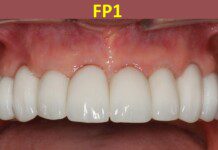
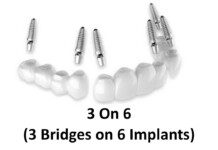
FOR FULL ARCH FIXED BRIDGES OR ALL ON 4 FIXED BRIDGES
One of the reasons this type of prosthesis can be such a challenge to keep adequately clean for some patients, is in its design. It is imperative that the prosthesis be proactively and purposefully constructed specifically for cleansability in mind: with the underside of it finished in a convex design, so it can be easily cleaned, without trapping food debris and plaque underneath, causing a bad taste and bad breath. This is where so many doctors and labs fail patients with this prosthesis, and there is no reason for it, except plain laziness! More info and photos here
- Brush at least twice a day with a soft-bristle toothbrush
- Use a Water Pik at least twice a day. Seek out the angles and access points that allow for the best dislodgement of food debris. Use a medium or low setting, as the high setting may irritate or separate non-keratinized tissue attachment from the implants, if it is present.
- Floss under the bridge daily. Super Floss by Oral B works really well, or you can use a floss threader and regular floss.
- Use a sulcus brush to clean the part of the prosthesis that meets your gums.
- Rinse daily with Listerine or other disinfecting mouthwash
- Schedule routine checkups, according to your dentist’s recommendations. (This can vary from 3-12 month intervals, depending on various factors. Again, refer to your dentist for recommendations as to what is best for you.
NOT RECOMMENDED:
- Plastic or metal instruments that mimic professional dental instruments. The metal instruments can scratch the implant surface, creating sites that bacteria can colonize and cause damage, and the plastic ones have even been shown to embed residues onto the implant surface. It is important for these surfaces to stay unscratched and maintain their integrity to last a lifetime.
To schedule a complimentary consultation with our office, please CONTACT US here or call us at 214-956-9100. We’re happy to be of help.
Frequently Asked Questions
How soon after implant placement should I start caring for my new dental implants?
You can begin caring for your implants right away, but during the initial healing phase you’ll need to be gentle with your gums and follow your provider’s instructions carefully.
What kind of daily oral hygiene routine is recommended for dental implants?
You should brush gently at least twice a day and floss or clean around the implant just as you would natural teeth so as to remove plaque and bacteria.
Are there special instruments needed to clean around implants?
Yes—your hygienist may use specially designed tools during professional cleanings, and you may benefit from interdental brushes or water flossers to access around the implant restoration.
How often should I visit the dentist for check-ups and cleaning with implants?
Most implant patients should come in for professional cleanings and examination approximately every six months, though your dentist may recommend more frequent visits depending on your individual condition.
What foods or beverages should I avoid after implant surgery to protect healing?
For the first 24-72 hours stick to soft foods and avoid crunchy, chewy or sticky items and refrain from using a straw so you don’t disturb the healing site.
Once the implant is healed, can I eat whatever I want?
Yes — once the implant has fully integrated you should be able to eat normally, but you should continue to avoid habits that put excessive stress on the implant or surrounding bone.
Is it true that implants don’t need the same care as natural teeth since they don’t decay?
Not at all — while implants can’t get cavities, the surrounding gum tissue and bone can still develop inflammation or infection, so consistent hygiene and maintenance are still essential.
What could happen if I neglect the care of my dental implants?
Failing to keep the implant area clean and skipping visits can allow bacteria to build up, which may lead to peri-implantitis, bone loss and jeopardize the long-term success of the implant.