
When considering tooth replacement, one of the first questions patients ask is: “How much do dental implants cost?”
Because dental implants are the gold standard for replacing missing teeth—acting as artificial tooth roots rather than temporary surface fixes—their price reflects the precision, surgical expertise, and high-grade materials required.
A single dental implant tooth replacement typically costs between $3,500 and $7,500 from start to finish, including everything. However, because every mouth and treatment plan is unique, total costs vary depending on the number of teeth missing, the condition of your jawbone, and the type of restoration needed.
Dental Implant Cost Breakdown by Treatment Type
To understand what you can expect to invest, it helps to look at costs categorized by the scope of treatment:
1. Single Tooth Replacement
If you are missing a single tooth, a dental implant replaces both the missing root and the visible crown.
- Typical Cost: $3,500 to $7,500 per implant (complete treatment, including the implant fixture, abutment, and crown).
- Why it compares favorably: In the past, a three-tooth conventional bridge was the standard fix. However, a bridge requires grinding down healthy adjacent teeth into stubs, weakening them and often leading to future failures that eventually require extending the bridge. Because a single dental implant stands independently and preserves neighboring teeth, it avoids lifetime touch-ups, making it more cost-effective in the long run.

Opting for dental implants over conventional bridges prevents the need to for extra procedures over the course of your lifetime, costing less in the long run.
Because they last longer than conventional treatments, the cost of a dental implant and crown ends up being less than a bridge.
A single dental implant tooth replacement typically costs between $3,500 to $7,500 per implant – from start to finish, including everything.
2. Replacing Multiple Teeth (Implant Bridges)
Many patients assume they need an individual implant for every single missing tooth. Fortunately, that is not the case.
- Typical Cost: A three-unit implant bridge supported by two implants typically ranges from $12,000 to $16,000.
- How it works: Because dental implants fuse securely to the jawbone through osseointegration, they can easily support longer spans than natural teeth. Two strategically placed implants can anchor a short span of 3 to 6 missing teeth using a single fused bridge unit.

This may surprise some of you, but we commonly replace 3-4 missing back teeth with just two implants and an implant bridge.
Because dental implants are fused to the bone because they’re so strong, they can support a longer span than natural tooth bridges can.
A three-unit implant bridge on 2 implants typically costs between $12,000 to $16,000.
3. Full Mouth / Full Arch Tooth Replacement
For patients missing all or most of their teeth on an upper or lower arch, traditional dentures have historically been the default option. However, dentures fail to prevent jawbone deterioration and can slip or feel unnatural.
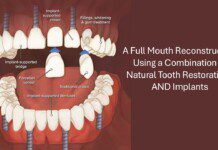
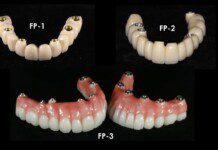
- Typical Cost: Full-mouth dental implant treatments range between $40,000 and $80,000, depending on whether you are replacing one arch or both arches, the number of implants used (typically 4 to 8 per arch), whether the final prosthesis is removable or fixed, and whether preparatory procedures are required.
- Why it’s a superior value: Full arch implants anchor securely into the jawbone, restoring natural chewing power, facial contours, and confidence without messy adhesives or bone loss.

Dental implants serve as artificial tooth roots and stimulate the bone, helping to maintain bone density and preserve the jaw’s natural contour.
Dental Implant Cost Comparison Table
| Treatment Type | Typical Cost Range | What It Involves |
|---|---|---|
| Single Tooth Implant | $3,500 – $7,500 | Implant post, abutment, and custom crown for one missing tooth. |
| Multi-Tooth Implant Bridge | $12,000 – $16,000 | 2 implant fixtures supporting a 3-unit fixed bridge. |
| Full Mouth / Arch Restoration | $40,000 – $80,000 | 4 to 8 implants per arch supporting a full-arch prosthesis (fixed or removable). |
What Does the Cost of a Dental Implant Actually Include?
When evaluating dental implant quotes from different practices, it is vital to know what is included. A complete dental implant procedure involves three distinct components:
- The Implant Fixture (The Root): A biocompatible titanium or zirconia screw surgically placed into the jawbone.
- The Abutment (The Connector): A small connector piece attached to the implant post above the gum line that holds the replacement tooth.
- The Restoration (The Crown or Bridge): The visible porcelain or zirconia tooth crafted to match your natural smile in color, shape, and function.
Be sure to ask whether a quoted price includes all three components, as well as diagnostic imaging (such as CBCT 3D scans), surgical fees, anesthesia, and follow-up care.
Full mouth dental implant treatments can range between $20,000 and $80,000.
Key Factors That Determine the Final Price
Every smile is different, meaning two patients with missing teeth may receive entirely different estimates. Several clinical and logistical variables shape the final cost:
- Number and Placement of Implants: Naturally, replacing a single tooth requires fewer materials and less surgical time than replacing an entire arch.
- Bone Density and Grafting Requirements: If a tooth has been missing for a long time, the underlying jawbone may have resorbed. Needing a bone graft, sinus lift, or ridge augmentation adds specialized materials and healing time to the process, which influences total costs.
- Surgeon’s Experience and Training: Dental implant placement is a meticulous surgical procedure requiring advanced training in oral architecture. While highly experienced clinicians or specialists may have higher professional fees, their expertise minimizes complications, ensures optimal aesthetic outcomes, and yields long-lasting results that save money on future repairs.
- Quality of Materials: Premium implant systems, high-grade titanium, and custom-layered zirconia restorations offer superior biocompatibility, strength, and life-like aesthetics compared to budget alternatives.
- Anesthesia and Sedation: Depending on patient anxiety levels or case complexity, local anesthesia, oral sedation, or intravenous (IV) sedation will factor into the treatment plan.
- Geographic Location: Dental care costs fluctuate across different regions and metropolitan areas based on local operational overhead.
Not many offices do this treatment protocol, because it is harder to do and takes a little longer.
Additional Procedures That May Affect Your Estimate
In some cases, your mouth requires preparatory steps before an implant can safely integrate:
- Tooth Extractions: If a damaged or decayed tooth must be removed prior to implant placement.
- Bone Grafting: Necessary when there is insufficient jawbone width or height to anchor the implant securely.
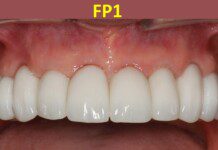
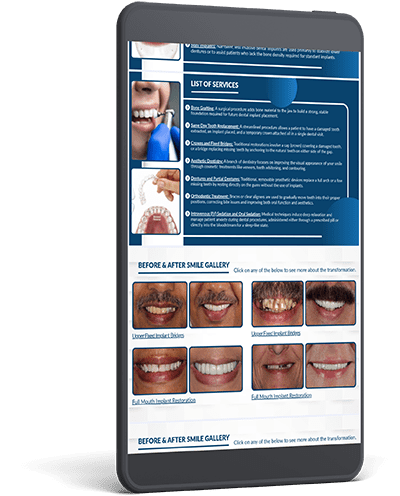
- Staged Protocols vs. Immediate Loading: While heavily marketed “Teeth-in-a-Day” options promise rapid results, many complex cases benefit from phased treatment protocols. Staging allows for meticulous soft tissue management around the implants, yielding superior cosmetic results, particularly in the smile zone. view our smile gallery
Are Dental Implants Worth the Investment?
When patients experience initial “sticker shock” comparing implants to traditional dentures or conventional bridges, it helps to look at the long-term value.
Traditional bridges and removable dentures have a limited lifespan and typically require repair, relining, or complete replacement every 5 to 15 years. Over the course of a lifetime, replacing a traditional prosthesis multiple times frequently surpasses the cost of a permanent dental implant.
Furthermore, dental implants provide critical health benefits that other options cannot match:
- Prevention of Bone Loss: Implants stimulate the underlying jawbone just like natural roots, preventing the facial collapse and bone shrinkage associated with missing teeth and dentures.
- Protection of Adjacent Teeth: Unlike bridges, implants do not require grinding down healthy neighboring teeth.
- No Decay: Because implants and crowns are made of artificial materials, they cannot get cavities.
Properly maintained dental implants can last a lifetime, making them a permanent health investment rather than a recurring medical expense.
Insurance, FSA/HSA, and Financing Options
Navigating the financial aspect of dental implants is more manageable when utilizing available benefits:
- Dental Insurance: While most dental insurance policies historically excluded implants, modern plans increasingly cover a portion of the treatment (such as the crown or extractions). Most policies feature an annual maximum benefit cap (typically $1,000 to $2,000 per year). While insurance rarely covers the total cost, it can significantly reduce your out-of-pocket expenses. Our team is happy to help file claims on your behalf.
- FSA and HSA Accounts: You can use pre-tax dollars from Flexible Spending Accounts (FSAs) or Health Savings Accounts (HSAs) to pay for eligible dental implant procedures, lowering your net out-of-pocket cost.
- Third-Party Financing: Many patients take advantage of monthly payment plans and healthcare financing options (such as medical lending programs) that allow you to spread payments over time rather than paying the total lump sum upfront.
How to Get an Accurate, Personalized Cost Estimate
Because online cost calculators and generic estimates cannot account for your specific bone density, gum health, and bite alignment, the only way to know your exact investment is through a comprehensive clinical evaluation.
We invite you to request a complimentary consultation with our experienced doctors. During your visit, we perform advanced diagnostic 3D CBCT imaging to evaluate your bone structure and provide multiple transparent, written treatment options tailored precisely to your clinical and financial needs.
Frequently Asked Questions
How much does a single dental implant cost?
A single dental implant complete with the post, abutment, and custom crown typically ranges from $3,500 to $7,500.
How much do full mouth dental implants cost?
Full mouth dental implant restorations typically range between $40,000 and $80,000 per arch, depending on how many implants are required, the type of the final prostheses (fixed or removable), and whether bone grafting or preliminary extractions are needed.
What factors affect the total cost of dental implants?
Key factors include the number of missing teeth, the number of implants required, the condition of your jawbone (and whether bone grafting is needed), the quality of materials used, the complexity of the case, and the training and experience of the surgeon.
Can multiple missing teeth be replaced with fewer implants?
Yes. Thanks to the exceptional stability of osseointegration, two dental implants can often support a fixed bridge replacing 3 to 6 missing teeth, making it significantly more affordable than replacing every missing tooth individually.
Does dental insurance cover dental implants?
Many modern dental insurance plans cover a portion of dental implant treatments, though policies typically limit coverage to an annual maximum of $1,000 to $2,000. While out-of-pocket costs remain, insurance can noticeably offset expenses.
Do dental implants prevent bone loss?
Yes. Because dental implants fuse directly with the jawbone and mimic natural tooth roots, they provide vital mechanical stimulation that prevents jawbone deterioration and facial sagging.
How long do dental implants last?
With proper oral hygiene, regular dental checkups, and healthy lifestyle habits, dental implants are designed to last a lifetime, unlike traditional bridges and dentures that require periodic replacement.
What financing options are available for dental implants?
Patients can utilize third-party healthcare financing plans, monthly payment installment programs, and pre-tax funds from Health Savings Accounts (HSAs) or Flexible Spending Accounts (FSAs) to manage costs over time.
If you want more info on dental implant costs watch Dr McFadden talk you through all the factors involved in an in-depth look at what is involved.
Contact Us to Learn More About Your Options for Implant Placement
If you’re ready to take the next step and find out what your options are and the cost involved, visit us for a Complimentary Consultation. We’re happy to answer your questions and help find the best option to suit your needs cosmetically, functionally, and financially.